Spicy Miso Noodles with Cabbage and Mushrooms

on Apr 18, 2024, Updated Oct 23, 2026
This post may contain affiliate links.
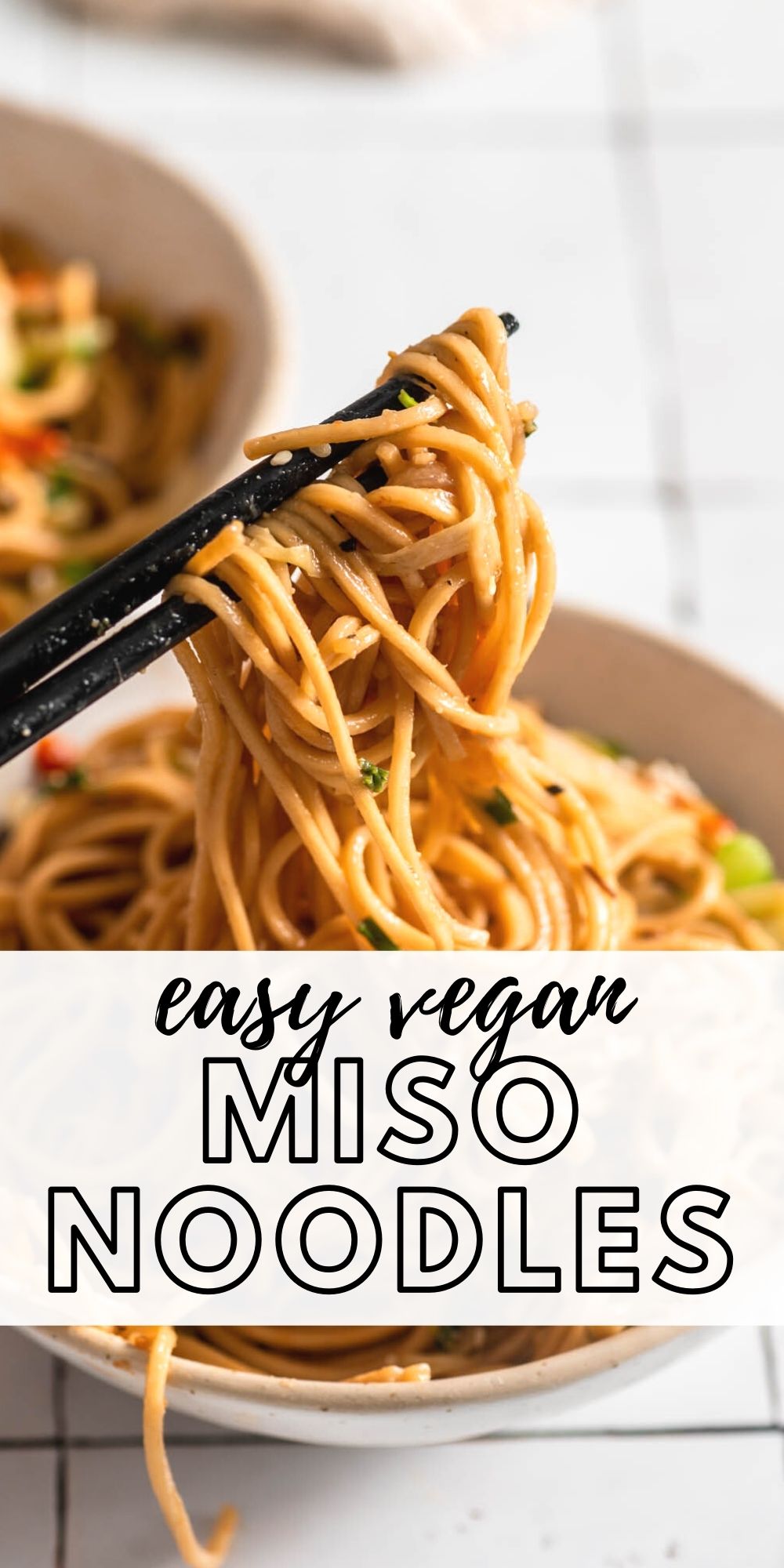
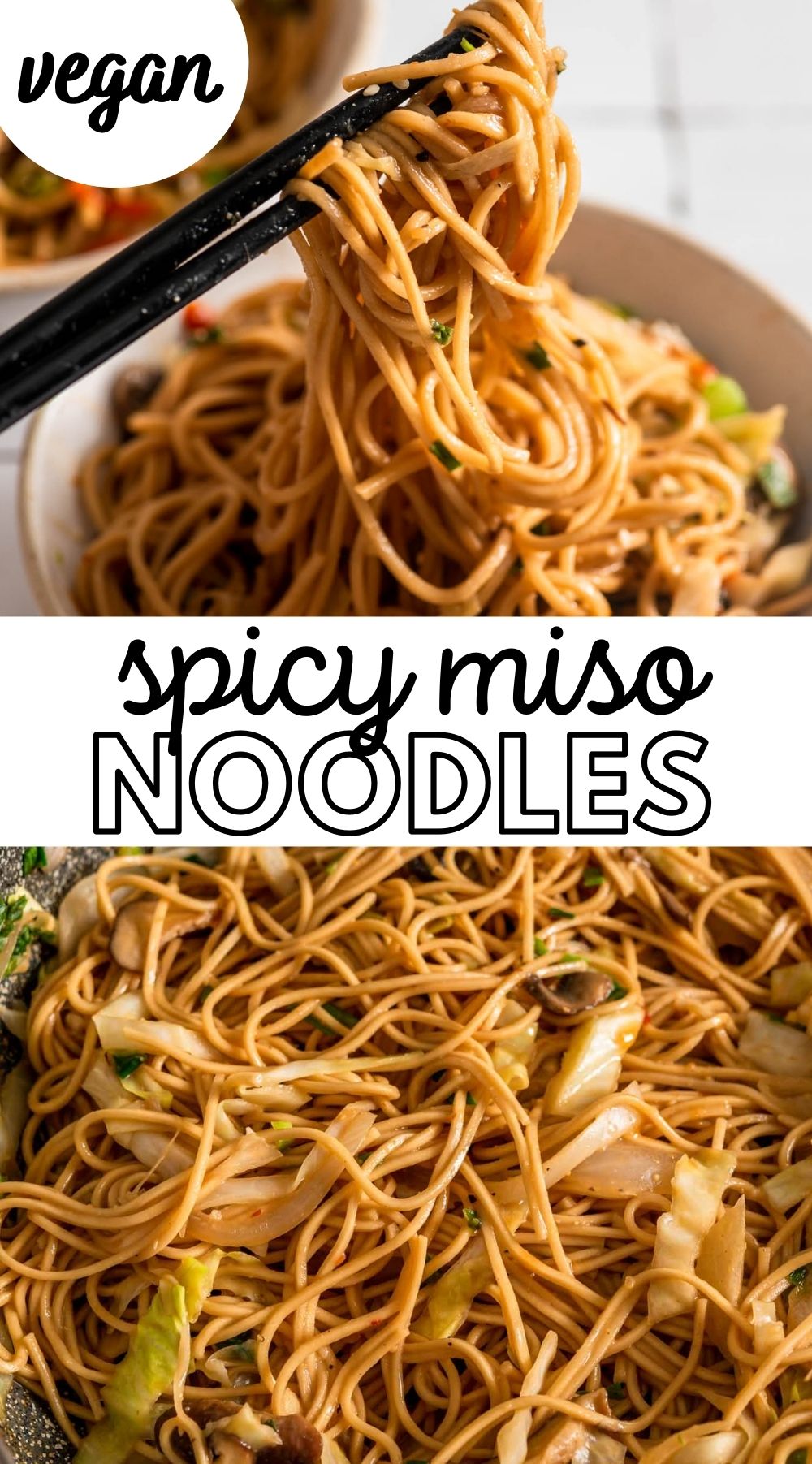
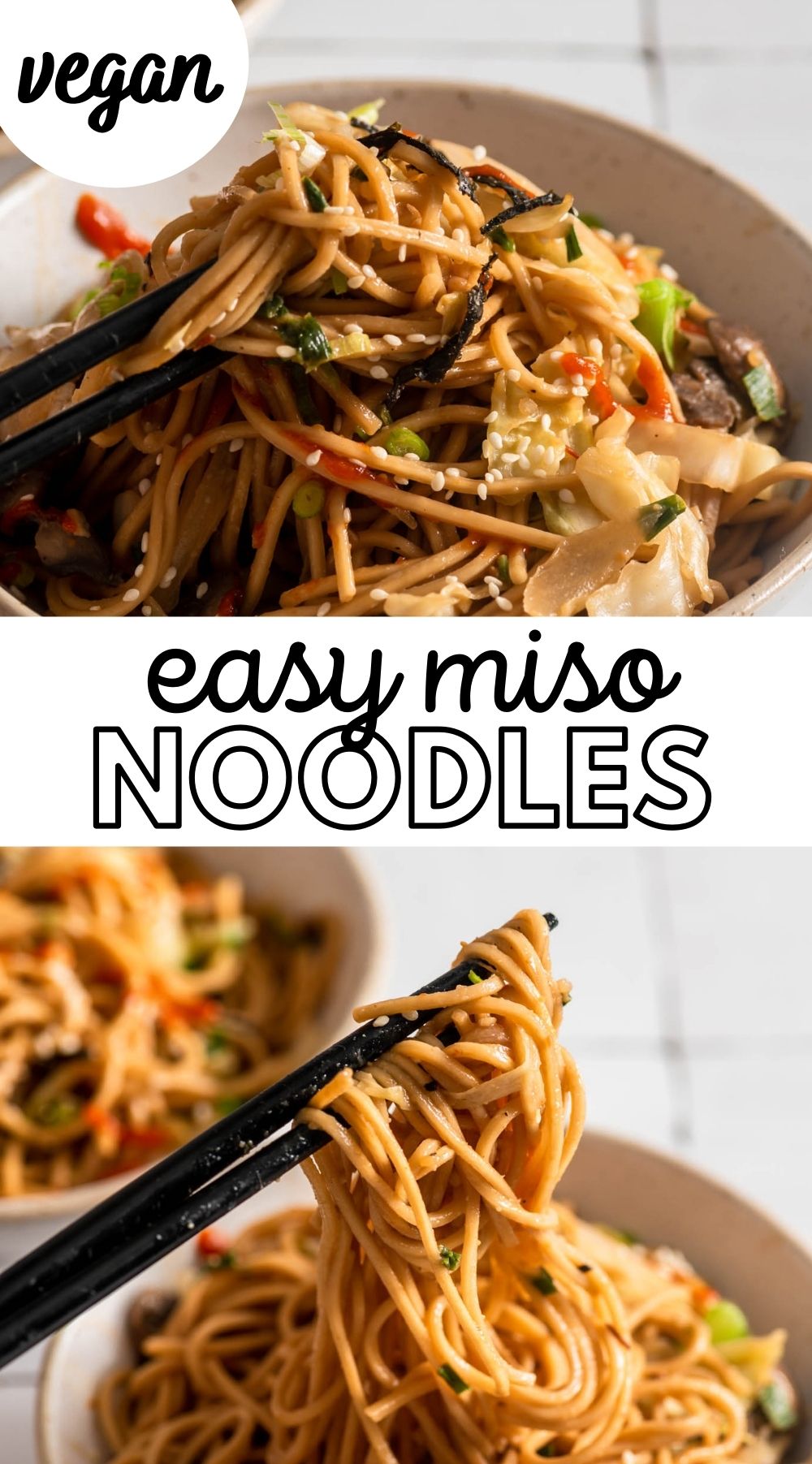
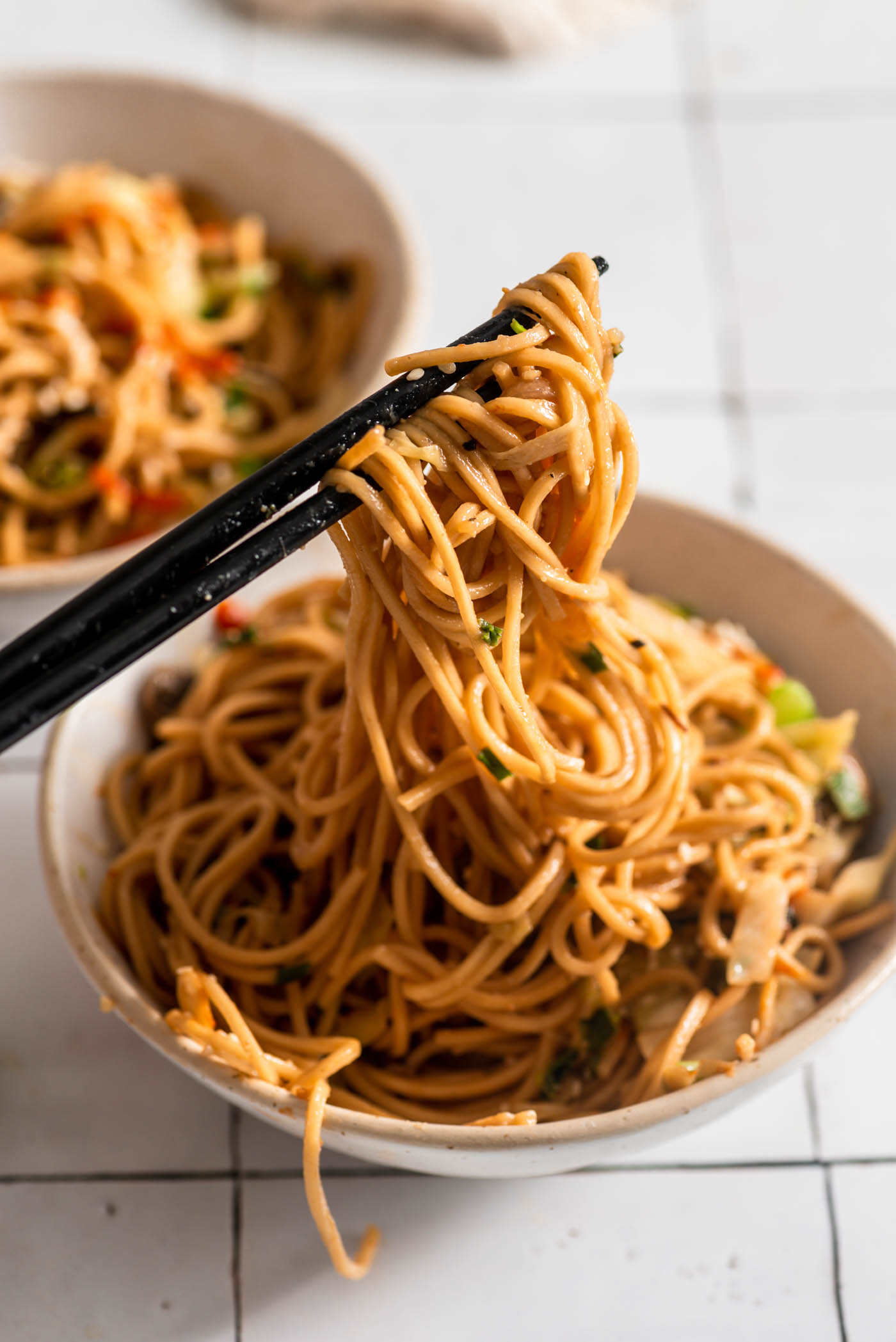
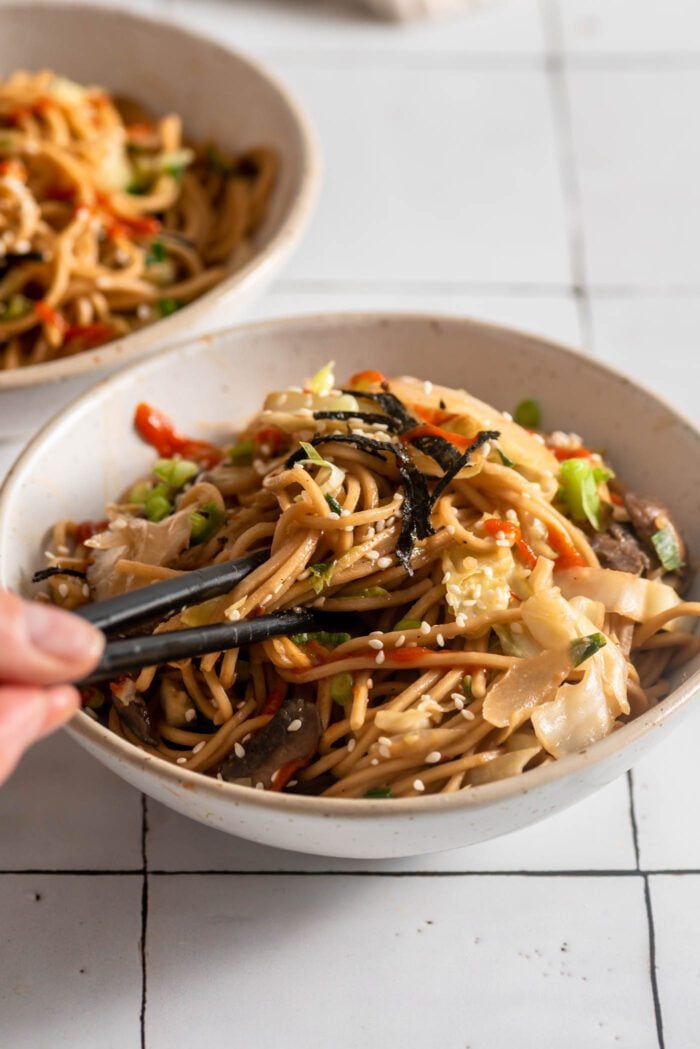
These spicy miso noodles with cabbage and mushrooms take about 20 minutes and the sauce is one of my favourites. It is miso and tahini whisked together with soy sauce, sesame oil and a little chilli, perfect for coating each and every noodle. The mushrooms add meatiness, the cabbage adds texture, and the whole thing comes together in one pan.
Featured Review
Carolyn
⭐⭐⭐⭐⭐
This is delicious, Deryn! It’s the sauce!! Yum!! I sautéed snow peas instead of cabbage. And I did add tofu. Thank you!!
Why You’ll Love Spicy Miso Noodles
- Ready in 20 minutes.
- You can simplify them for an even quicker meal.
- The recipe is vegan and can be gluten-free.
- Use noodles or any pasta to make miso pasta.
- Add your choice of protein for a complete meal.
- You can mix and and match the veggies.
- Meal prep-friendly and great for the whole family!
Noodle lover? You’ll have to try this pan fried ramen noodle stir fry, garlic chili oil noodles, cold buckwheat noodles with edamame, Vietnamese rice noodle salad or cold peanut noodle salad.
What is miso paste?
Miso is a Japanese seasoning paste made from fermenting soybeans with salt and koji, the ingredient used for fermentation. Miso may also contains rice, barley, seaweed or other ingredients.
Miso comes in a paste and is used to add salty, umami flavor to all kinds of dishes. It’s a wonderful ingredient to keep in your kitchen and can be used in miso soup, sauces, stews, stir fry and even desserts!
There are a many varieties of miso and they range in texture, flavour and colour. The most common varieties in North America are white (light) miso and red (dark) miso.
White miso paste is light beige or yellow in colour and a bit sweeter than red miso paste. Red miso paste is darker in colour and has a stronger flavour. You can use either in this recipe but I usually use white miso paste because it’s what I tend to keep on hand.
For more recipes that use miso, check out:
Ingredient Notes
Below is a quick overview of what you’ll need to make the recipe and any substitutions you can make. Use the recipe card with the full list of ingredients and measurements at the bottom of the post when you’re ready to make the recipe.
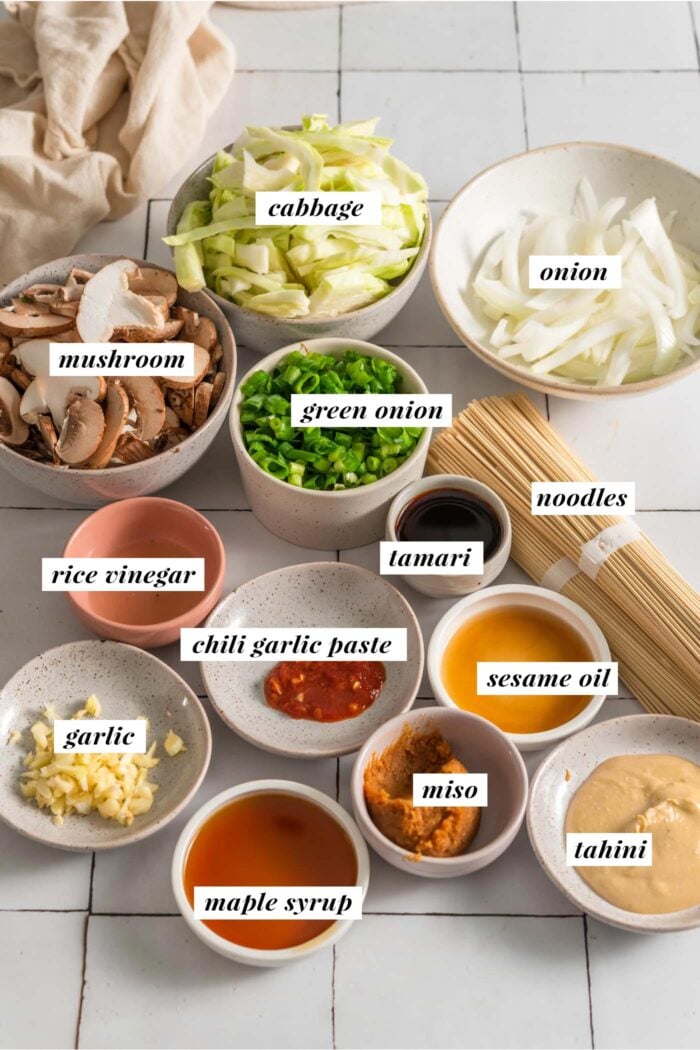
- Miso Paste: Use white or yellow miso paste. Miso paste is available in well-stroked grocery stores or in Asian markets. If you only have red miso paste, that’s ok to use as well, just note the flavour will be stronger. Try this Miso Crunch Salad if you love these noodles.
- Tahini or Peanut Butter: Tahini will give you miso sesame noodles, peanut butter will have more of a miso peanut flavour. I like tahini here but I’ve made them with both and both are good! For a nut-free be sure to tahini. Sunflower seed butter also works.
- Maple Syrup: Sweetens the sauce. You can also use agave syrup.
- Tamari: If you don’t have tamari on hand, you can use low-sodium soy sauce. If you need the recipe to be gluten-free, be sure to use tamari. If you need a soy-free recipe, you can use coconut aminos.
- Sesame Oil: Do not substitute this with a different oil. It’s key for flavour!
- Chili Garlic Sauce: Use sambal oelek or Sriracha Sauce. This can be omitted or reduced if you’re sensitive to spice (or increased for more heat!).
- Noodles: I suggest dry wheat noodles such as Chinese lo mein or ramen noodles. Soba noodles or udon noodles also work. For a gluten-free noodle, use rice noodles. You can also use any kind of pasta noodles like spaghetti for miso pasta.
- Cabbage: Use green cabbage or napa cabbage.
- Mushroom: I used a mixture of crimini and shiitake mushrooms but any mushroom variety works. If you don’t have multiple varieties available, just use one. If there’s an allergy or you don’t like mushrooms, you can leave them out.
Variations & Additions
- If you’re sensitive to spice, reduce or omit the chili garlic paste. You can always leave it out of the sauce and just use it for serving on individual portions.
- Want more heat? Increase the chili garlic paste to 1 tbsp. I like sambal oelek for adding heat to this recipe. You could also add a pinch of red pepper flakes.
- Feel free to mix and match the veggies. Don’t have cabbage? Leave it out. Don’t like mushrooms? It’s ok to skip them! Other veggies that would work are broccoli, carrot or snap peas.
- Toppings: Green onion (Spring onions), sesame seeds, nori and chili garlic paste are all optional but delicious toppings for serving your miso noodles.
- Tofu or Tempeh: Optional but I included it as a plant-based protein source if you’d like to add it. Otherwise, disregard that part of the recipe and enjoy the noodles as is or with another protein.
How to Make Spicy Miso Noodles
Start by bringing a pot of water to a boil on the stovetop to cook your noodles. Once boiling, add your noodles and cook according to the package instructions and drain once finished.
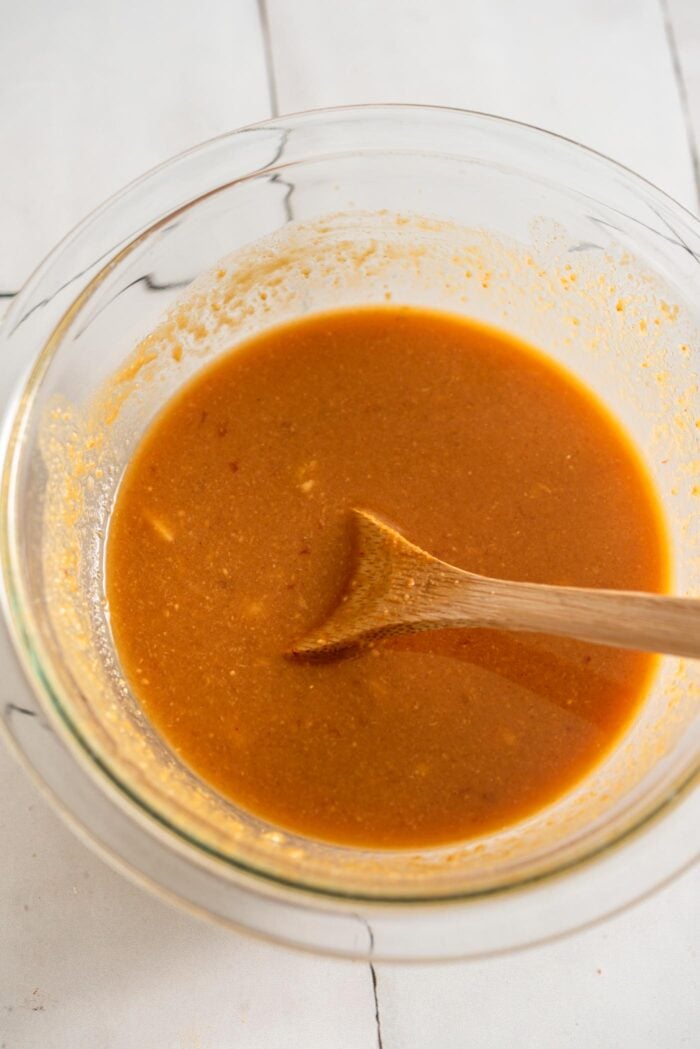
Step 1: Add all of the sauce ingredients to a bowl or container and mix well until smooth.
Quick Note: Start with 1/3 cup water for the sauce. When you add the sauce to the noodles, you may need a little more sauce to adjust the consistency, depending on what kind of noodles you use, as some are more absorbent than others.
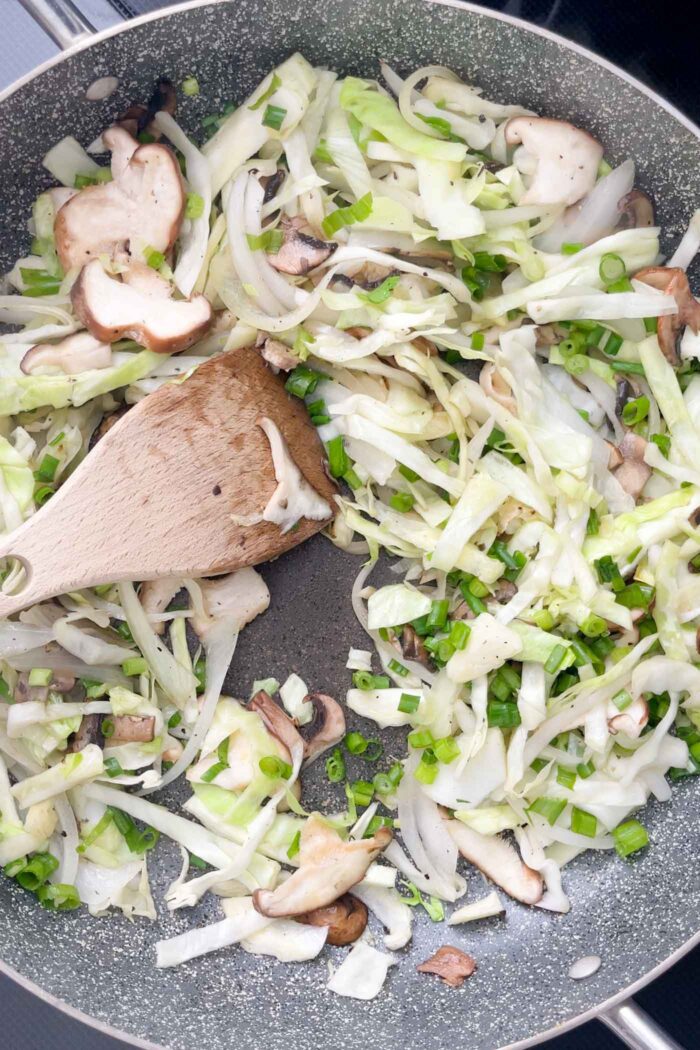
Step 2: Heat 2 tsp oil over medium-high in a large skillet or wok then add the cabbage, mushroom and onion. Stir fry for 4-6 minutes until the cabbage is softened. Add the green onion and stir fry for a few more minutes.
Step 3: Finally, add the cooked noodles and sauce and toss to coat the noodles in sauce. If you need to add a little extra water at this point, add 2 tbsp at a time to adjust the consistency.
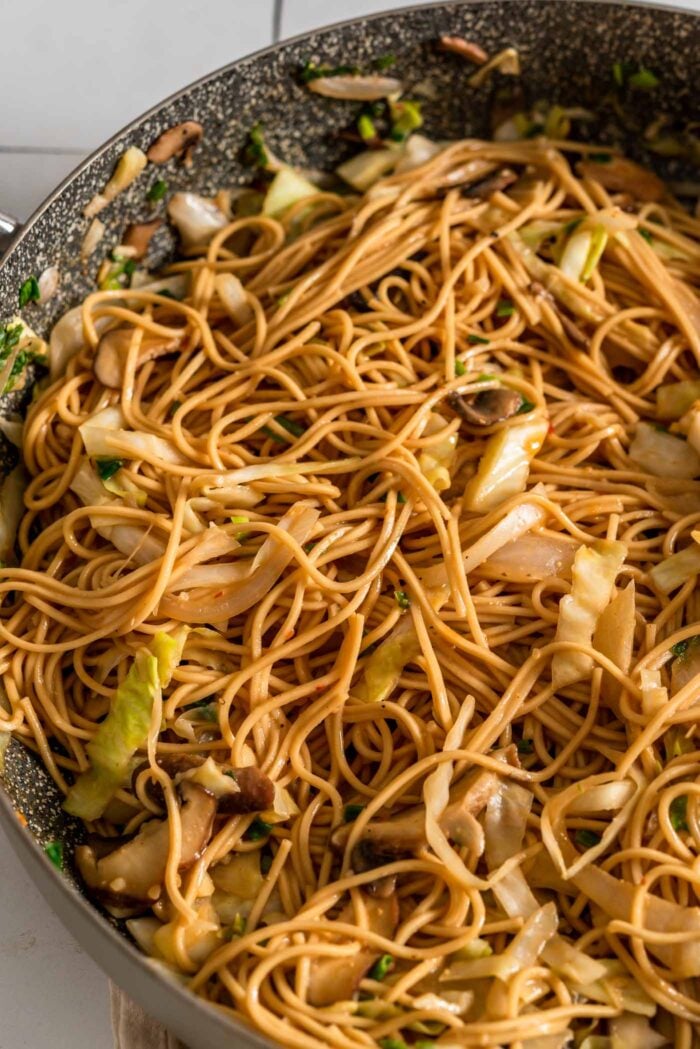
Serve your miso noodles with finely sliced nori, green onions, sesame seeds and if desired, more chili garlic sauce.
Expert Tips
- Miso and tahini together sounds like an unusual combination but the tahini rounds out the saltiness of the miso and adds a nutty creaminess that coats the noodles properly. Peanut butter works well too and gives a slightly bolder, more recognizable flavour. You can use either but tahini and miso are my favourite.
- The heat comes from the sambal oelek or sriracha, not from the miso. Miso is salty and savoury, not hot. Start with 1 teaspoon if you’re unsure and taste the sauce before adding the noodles, you can always add more but you can’t take it back. I use 2 teaspoons typically then anyone who wants more heat can use sriracha for at topping. For a mild version, leave the chilli out and the sauce still works.
- The cabbage is the best for texture vs other greens like spinach or bok choy. Slice it thin, if the pieces are too thick they don’t cook through in the short stir-fry time.
- For noodles I’ve tested this with lo mein noodles, ramen noodles, udon, soba, rice noodles and regular spaghetti. I like lo mein noodles, soba and ramen noodles best. Regular pasta noodles like spaghetti or linguine work well too.
Recipe FAQs
The best noodles for this recipe are Chinese style lo mein noodles or Japanese style soba noodles. I really like the ramen wheat from Hakubaku but their soba or even udon noodles would also.
If you need the recipe to be vegan, be sure to review ingredients before purchasing as some noodles contain egg.
To make gluten-free miso noodles, use rice noodles or another gluten-free noodle of choice such as brown rice or quinoa noodles and be sure to use tamari and not soy sauce.
If you don’t like mushrooms or have an allergy, you can just leave them out.
Miso noodles can be stored in an airtight container in the fridge for up to 4 days. They can be eaten cold or reheated in a pan or in the microwave until heated through.
The heat comes from sambal oelek or sriracha, not from the miso itself. Miso is salty and umami, not hot. You can make this completely mild by leaving the chilli out, or adjust the heat level by starting with less and adding more to taste. The sauce is worth tasting before combining with the noodles so you can calibrate it exactly.
Yes. Peanut butter is the most natural substitute and gives a slightly bolder flavour. Almond butter or cashew butter also work for a milder result. Sunflower seed butter could work as another nut-free option.
Crispy baked or pan-fried tofu is the most natural addition and I’d suggest adding it at the end to keep the texture. Tempeh works well too, sliced thin and pan-fried until golden. For non-vegan options, a fried or soft-boiled egg served on top is excellent. Edamame can be stirred in at the end for plant-based protein without any additional cooking.
White or yellow miso is best here. Both are mild, slightly sweet and work well in a stir-fry sauce. Red miso is more intensely salty and fermented; it will work but the flavour is stronger.
Yes, though cabbage gives the best texture. Bok choy, broccoli, snap peas, spinach and thinly sliced bell pepper all work. Spinach and bok choy wilt quickly so add them in the last 60 seconds. Broccoli needs a slightly longer cook or a quick blanch first.
How to Make Miso Noodles with Tofu
If’d you like to add crispy tofu or tempeh to the recipe:
- Heat 1 tbsp oil in a large pan over medium-high heat – you can do this before cooking the veggies in the same pan.
- Cnce the pan is hot, add cubed tofu or tempeh.
- Cook for 6-8 minutes, flipping occasionally until browned on all sides.
- Remove from the pan, drizzle with 1 tbsp of tamari and toss to mix.
- Set it aside and then use as a topping for your noodles.
For more tips and details on making crispy tofu, you can follow this sweet and sour tofu recipe for pan-fried tofu or this peanut bowl recipe for baked tofu. This marinated tempeh recipe is also really good as an alternative to pan frying the tempeh.
More Noodle Recipes
If you make this recipe, please consider leaving a comment and a ⭐⭐⭐⭐⭐ rating in the comment section below. It helps others who are thinking of making the recipe, and I love to hear from you. Thanks for trying my recipes! – Deryn
Spicy Miso Noodles with Mushrooms and Cabbage
Ingredients
For the Miso Sauce
- 2 tbsp white miso paste, 40 g
- 2 tbsp tahini or peanut butter, 35 g
- 2 tbsp maple syrup, 35 g
- 2 tbsp tamari or reduced sodium soy sauce, 30 mL
- 2 tbsp sesame oil, 30 mL
- 1 tbsp rice vinegar, 15 mL
- 1 tbsp chili-garlic sauce, sambal oelek or Sriracha
- 4 cloves garlic, grated or crushed, 20 g
- ⅓ cup warm water
For the Noodles
- 250 g dry wheat noodles, Chinese style lo mein, soba or ramen
- 3 cups green cabbage, chopped, 215 g
- 3 cups sliced mixed mushrooms, approx. 160 g
- 1 small white onion, thinly sliced, 1 cup/120 g
- 1 bunch green onions, thinly sliced
- Optional: 250 g tempeh or tofu, cut into small cubes
- 1 tbsp tamari
Garnishes
- green onions, thinly sliced
- sesame seeds
- toasted nori, thinly cut
Instructions
- Make the Miso Sauce: Add all sauce ingredients to a medium bowl. Stir until smooth. Set aside.2 tbsp white miso paste, 2 tbsp tahini or peanut butter, 2 tbsp maple syrup, 2 tbsp tamari or reduced sodium soy sauce, 2 tbsp sesame oil, 1 tbsp rice vinegar, 1 tbsp chili-garlic sauce, 4 cloves garlic, ⅓ cup warm water
- Cook the Noodles: Prepare noodles according to package directions. Once tender, drain and set aside.250 g dry wheat noodles
- Cook Tofu or Tempeh (Optional): If using tempeh or tofu, heat 1 tbsp oil in a large pan, over medium-high heat. When the pan is hot, add the tempeh or tofu cubes. Cook for 6-8 min, breaking apart into smaller pieces, until golden-brown. Remove the pan from the heat, then drizzle over 1 tbsp tamari. Toss to combine. Transfer to a plate and set aside.
- Stir Fry the Veggies: Heat 2 tsp oil over medium-high heat. Add the mushrooms, cabbage and onions. Season with a pinch of salt and pepper. Cook for 4-6 min, stirring occasionally, until tender. Add green onions, reserving some for serving. Cook for another 2-3 min, stirring often, until tender-crisp.3 cups green cabbage, chopped, 3 cups sliced mixed mushrooms, 1 small white onion, thinly sliced, 1 bunch green onions, thinly sliced
- Add Noodles & Sauce: To the pan, add drained noodles and miso sauce. Cook for 1-2 min, tossing gently, to coat noodles in sauce.
- For Serving: Divide noodles between bowls. Top with tofu or tempeh (if using), green onions, sesame seeds and toasted nori. Drizzle more chili-garlic sauce over top, if desired.
Video
Notes
Nutrition
Originally published April 27, 2022.









This recipe was so good! I added tofu, and sometimes I swap the veggies depending what I have on hand. I also sometimes use whole wheat spaghetti noodles instead. It is on my regular rotation! Tastes like it’s from a restaurant.
Thank you for all your kind reviews today! It really helps me so much so I very much appreciate you taking the time. Glad you enjoyed the recipes!
This recipe was excellent and fit right into my dietary needs. Perfect amount of spice!
Thank you! This is a very forgiving recipe. I used tofu noodles which helps with the calorie and protein count, and did not have cabbage but used gailan (Chinese broccoli) and shitake mushrooms. Very savory and satisfying.
Sounds delicious! Glad you enjoyed them.
The miso sauce is my favorite stir fry sauce of all time!
Yay glad you loved it. It’s so good, isn’t it?
This is delicious, Deryn! It’s the sauce!! Yum!! I sauteed snow peas instead of cabbage. And I did add tofu. Thank you!!
Perfect! Sounds great with snow peas and tofu. So glad you liked it!
I made this tonight with some crispy tofu, it was sooo good! Thank you!
Thanks, Janet! I’m so glad you liked it! Thanks for letting me know.