Vegetable Chickpea Curry

on Dec 04, 2018, Updated Jul 29, 2026
This post may contain affiliate links.
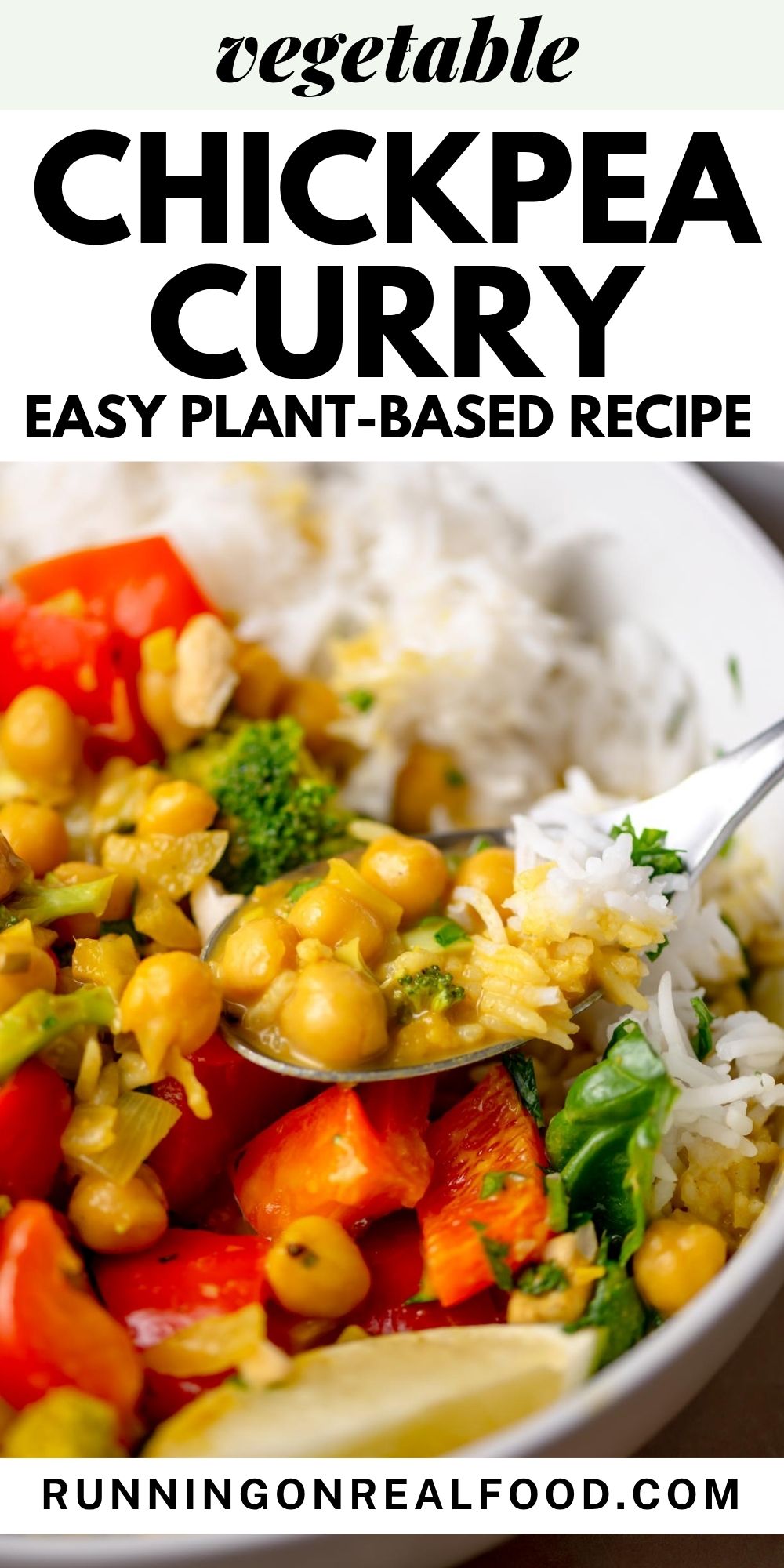
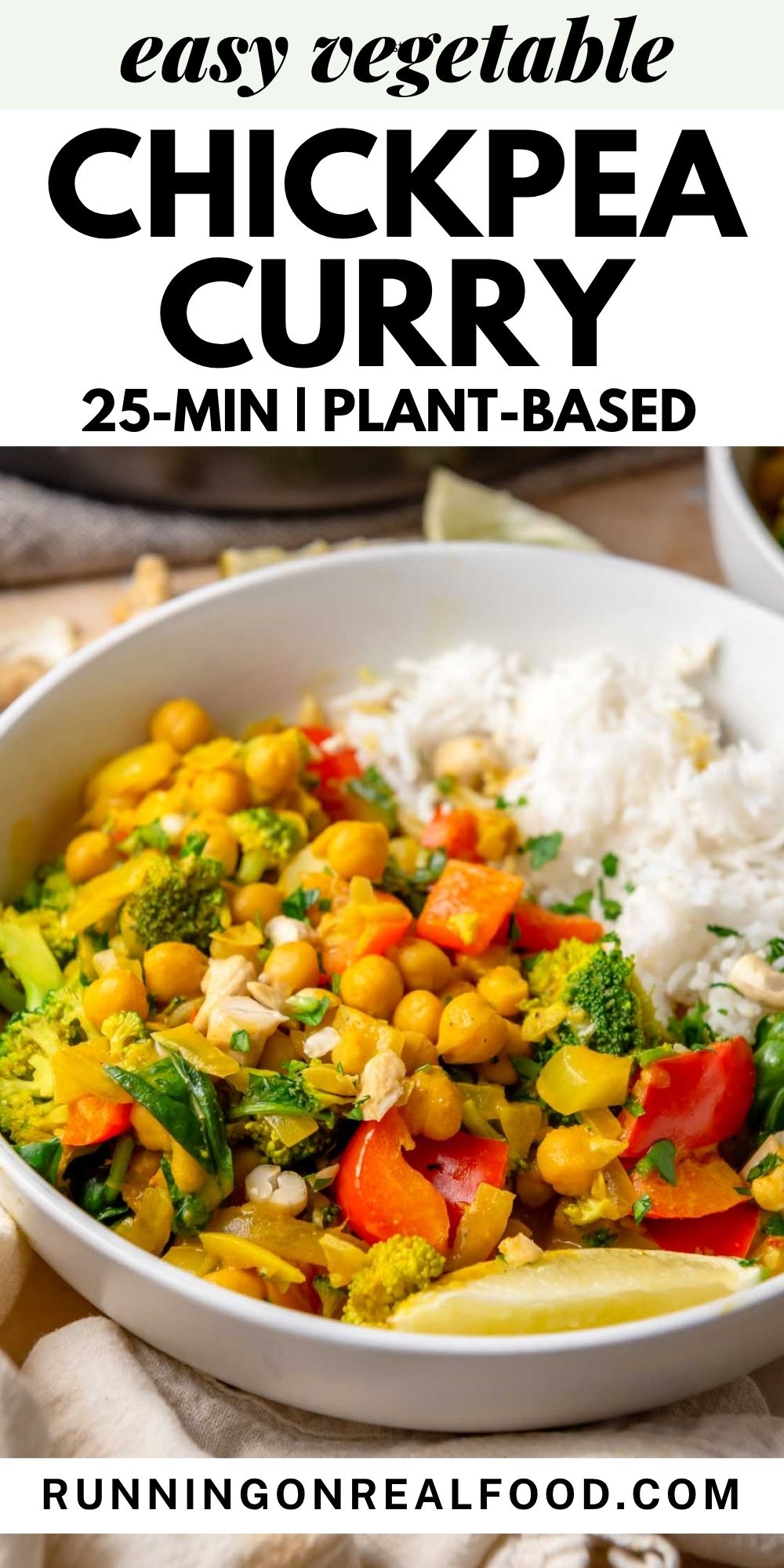
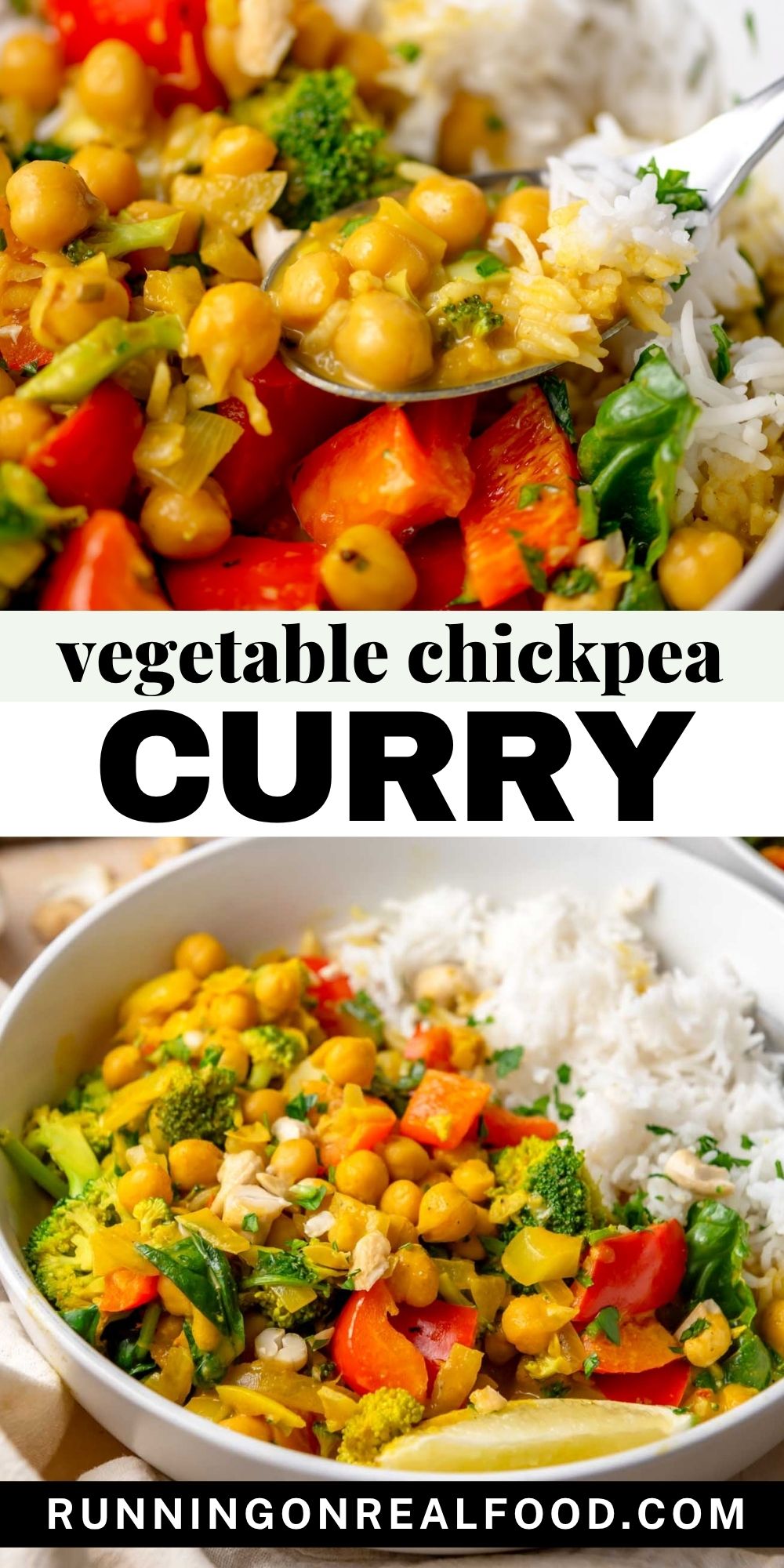
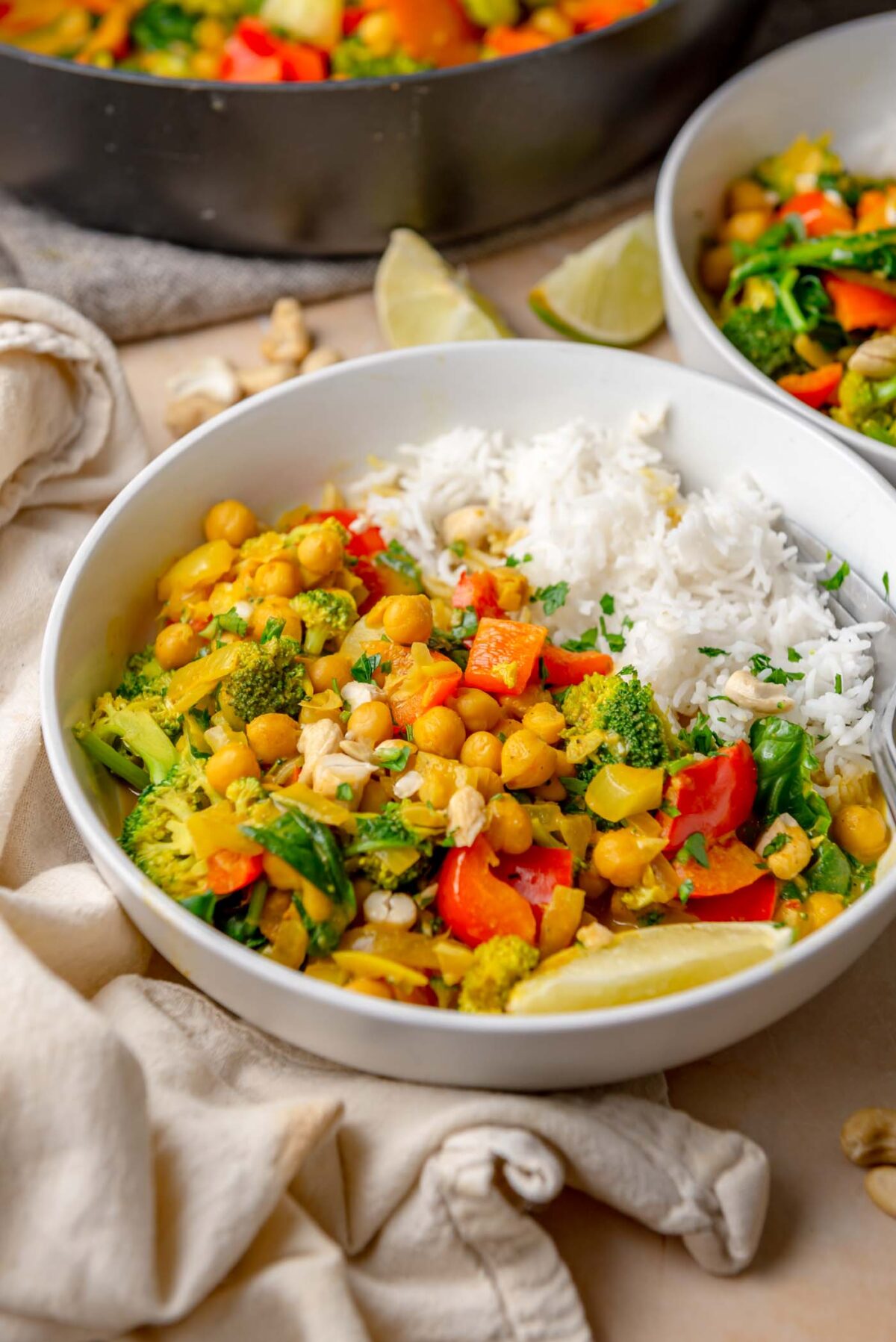
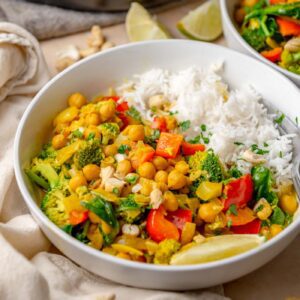
This vegetable chickpea curry is an easy weeknight dinner you can keep in your back pocket for busy days. It’s creamy, comforting, packed with vegetables and chickpeas, and comes together in just 25 minutes using simple pantry ingredients.
Inspired by Indian flavours, it’s made with curry powder, turmeric, garlic, ginger, coconut milk, broccoli and bell peppers. Serve it over fluffy rice to soak up the creamy curry sauce.
Why You’ll Love Vegetable Chickpea Curry
- Ready in 25 minutes.
- Creamy curry sauce made with simple pantry ingredients.
- High in fibre and plant protein from chickpeas.
- Vegan and easily made gluten-free or oil-free.
- Easy to customize with whatever vegetables you have on hand.
- Great for meal prep and leftovers.
- Mild enough for the whole family with the option to make it spicier.
Ingredients You’ll Need
Below is a quick overview of what you’ll need to make the recipe and any substitutions you can make. Use the recipe card with the full list of ingredients and measurements at the bottom of the post when you’re ready to make the recipe.
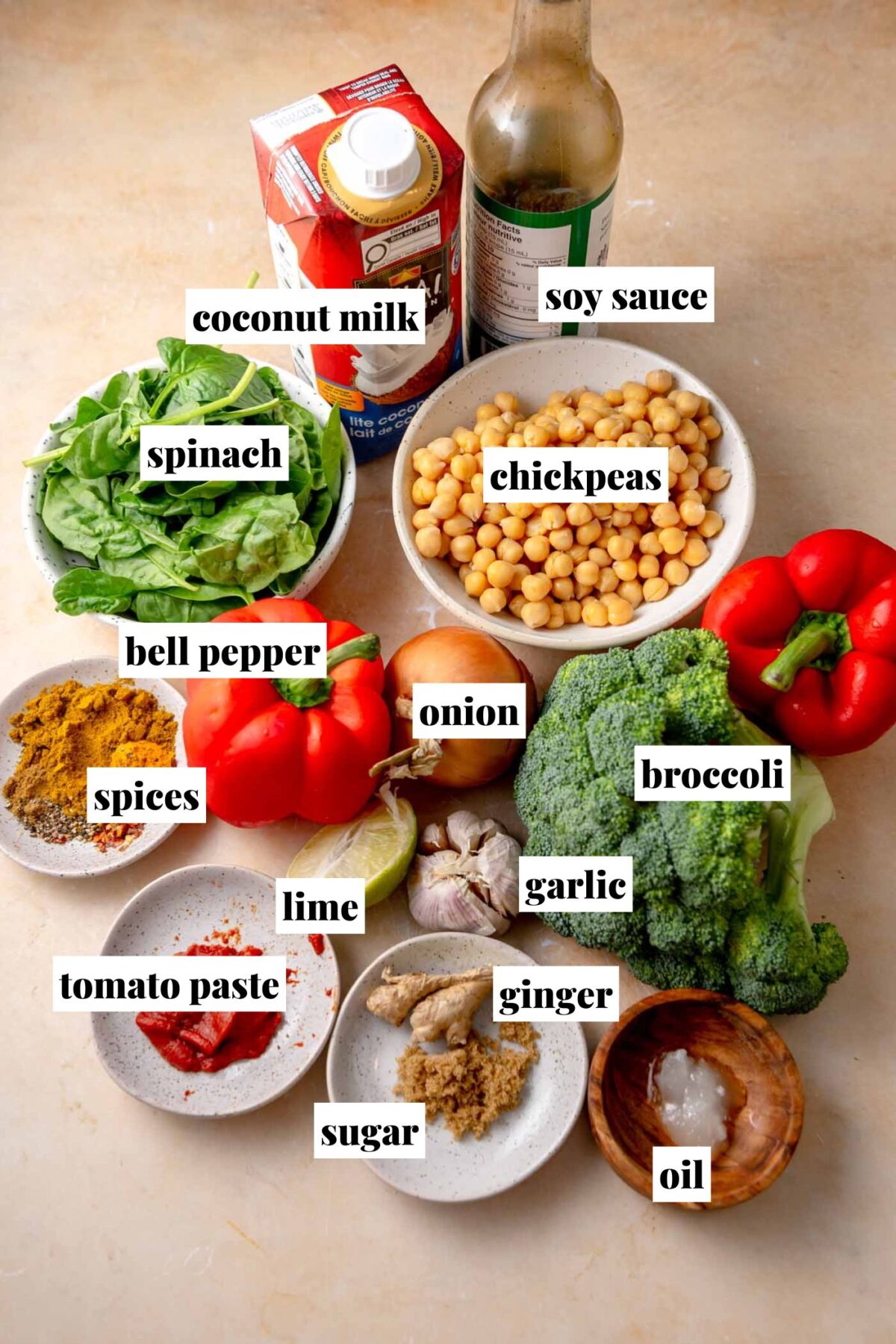
- Chickpeas: Use one 19 oz can of chickpeas, drained and rinsed, or about 2½ cups cooked chickpeas. They add plant-based protein and fibre.
- Broccoli: Adds texture and holds up well as it simmers in the sauce. Cut into bite-sized florets for even cooking.
- Bell peppers: Any colour works. They add natural sweetness, colour and a little crunch. I like red bell pepper.
- Onion: A diced white or yellow onion creates the flavourful base of the curry.
- Garlic and ginger: Fresh garlic and ginger add warmth and depth to the sauce. Fresh is recommended for the best flavour, but ground ginger and garlic powder can be used in a pinch.
- Curry powder: A mild yellow curry powder gives the curry its signature flavour. Since every blend is a little different, adjust the amount to taste if needed.
- Cumin and turmeric: These spices add extra warmth, earthy flavour and colour.
- Tomato paste: Toasting it with the spices adds richness and depth to the sauce.
- Coconut milk: Full-fat coconut milk creates the richest, creamiest sauce, though light coconut milk works if you’d prefer a lighter, lower-calorie curry.
- Soy sauce: Adds savoury umami flavour. Use gluten-free tamari if needed.
- Sugar: A small amount balances the spices and acidity. Maple syrup, brown sugar or coconut sugar can be used.
- Baby spinach: Stirred in at the end for extra greens and a boost of nutrition.
- Lime juice and cilantro: Added just before serving to brighten the flavours and finish the dish with freshness.
Best Vegetables for Chickpea Curry
One of the best things about this curry is how adaptable it is. Aim for about 6 to 7 cups of vegetables total. Some great options include:
- Broccoli
- Cauliflower
- Bell peppers
- Zucchini
- Green beans
- Carrots (slice thinly)
- Snow peas
- Snap peas
- Mushrooms
- Baby spinach
- Kale
- Frozen peas (stir in during the last few minutes)
If using harder vegetables like carrots or cauliflower, add them before softer vegetables so everything finishes cooking at the same time. Stir leafy greens like spinach or kale in at the end.
How to Make Vegetable Chickpea Curry
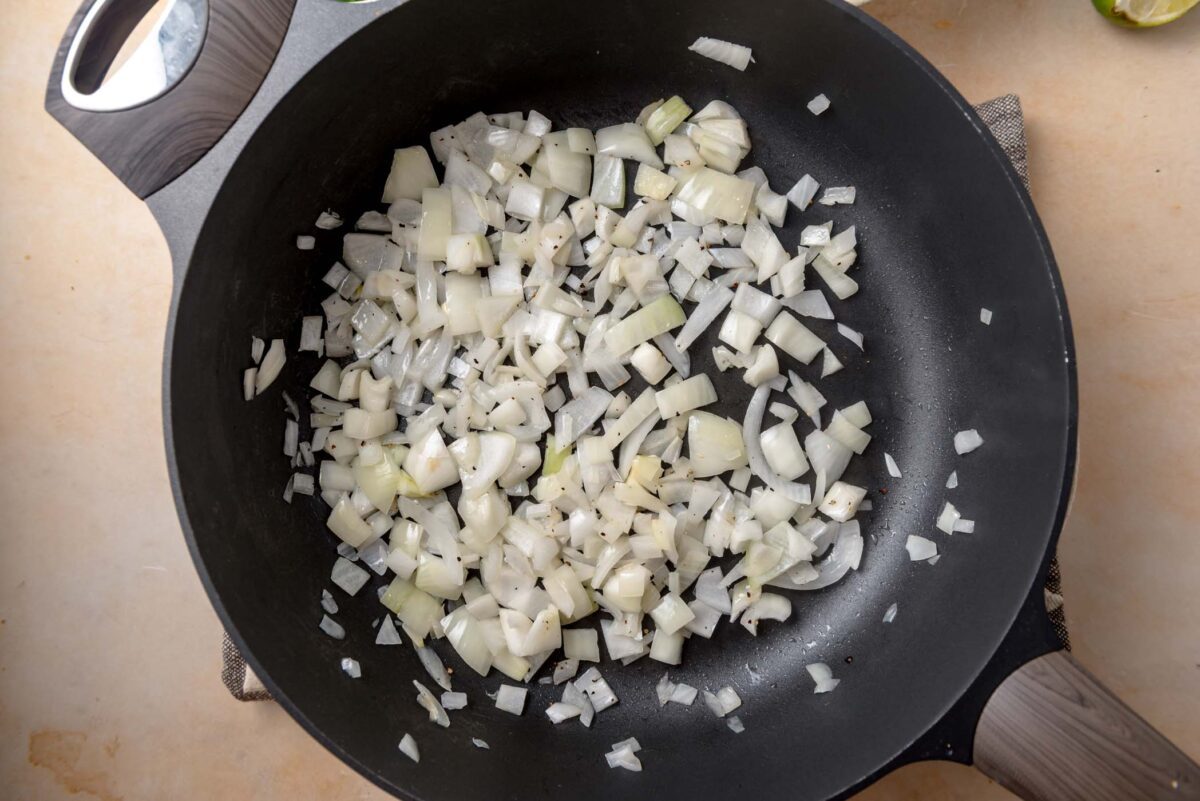
- Heat the oil in a large skillet over medium heat. Add the diced onion with a pinch of salt and cook for 4–5 minutes until softened and translucent.
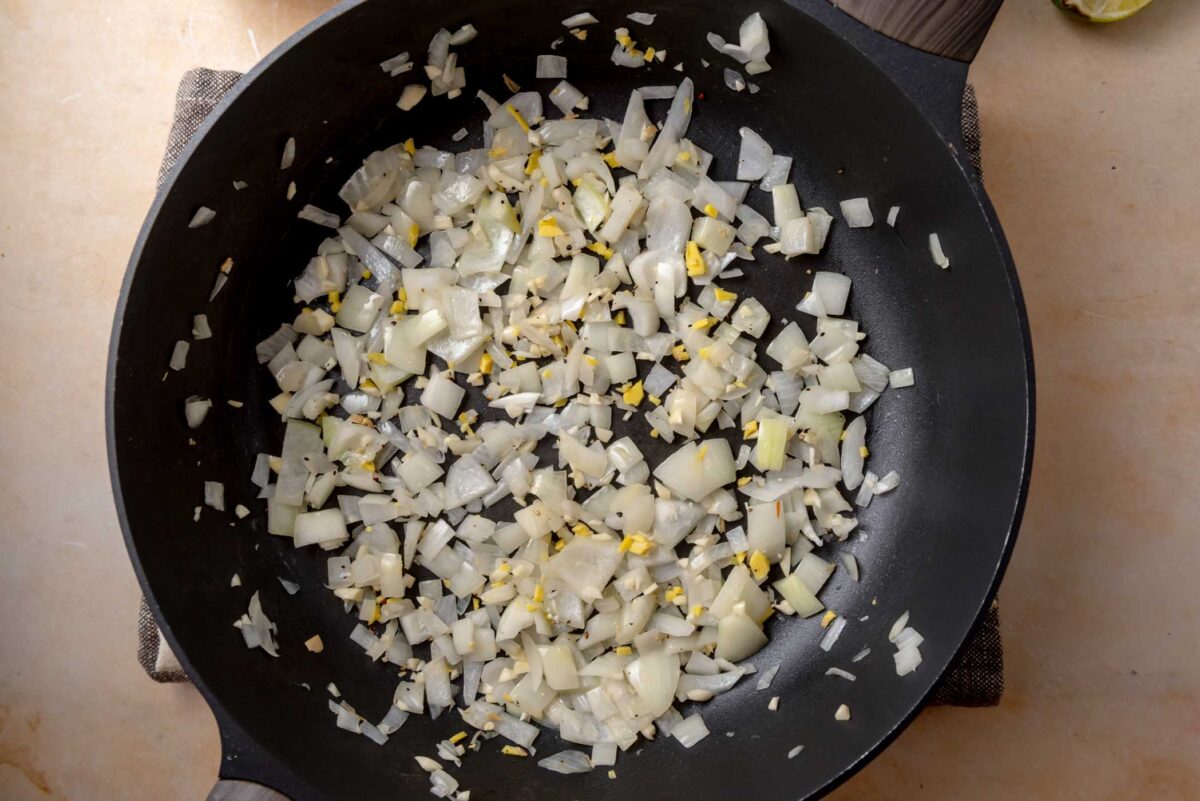
- Stir in the minced garlic and fresh ginger. Cook for about 1 minute, stirring frequently, until fragrant.
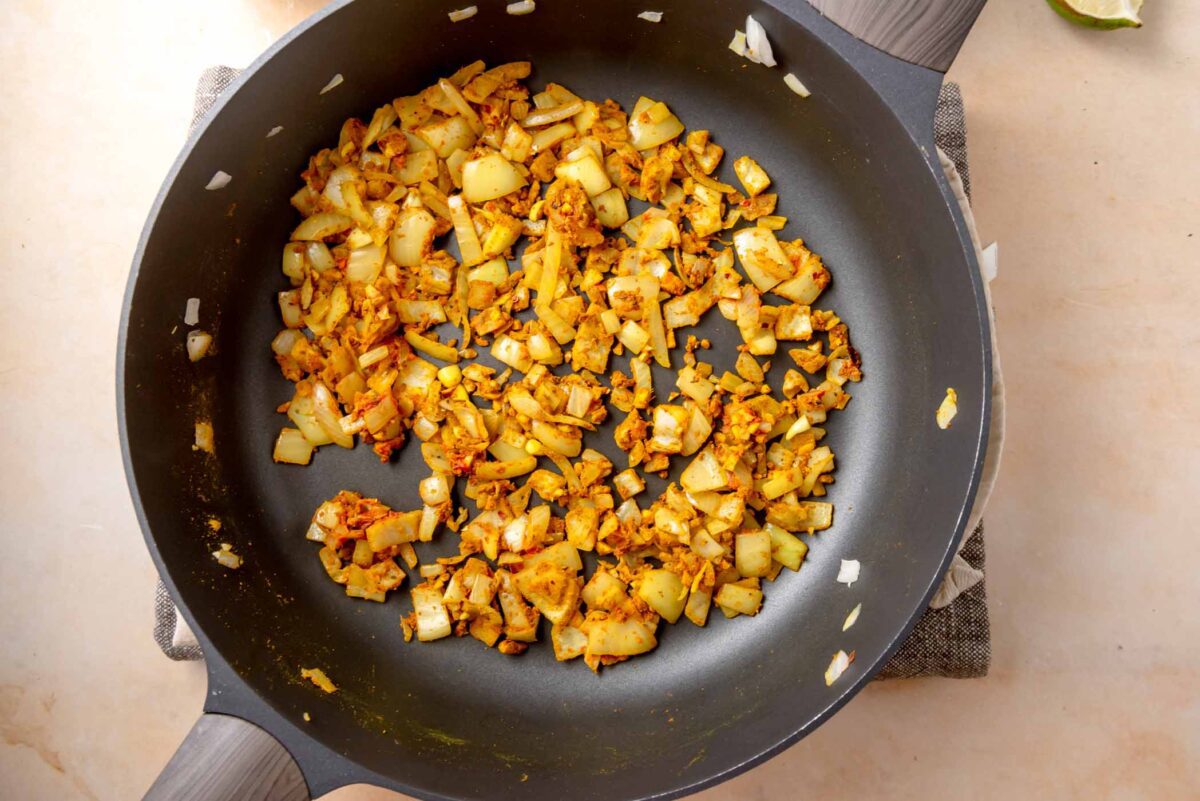
- Add the curry powder, cumin, turmeric, black pepper, red pepper flakes (if using) and tomato paste. Cook for 1–2 minutes, stirring constantly, until the spices are fragrant and the tomato paste darkens slightly.
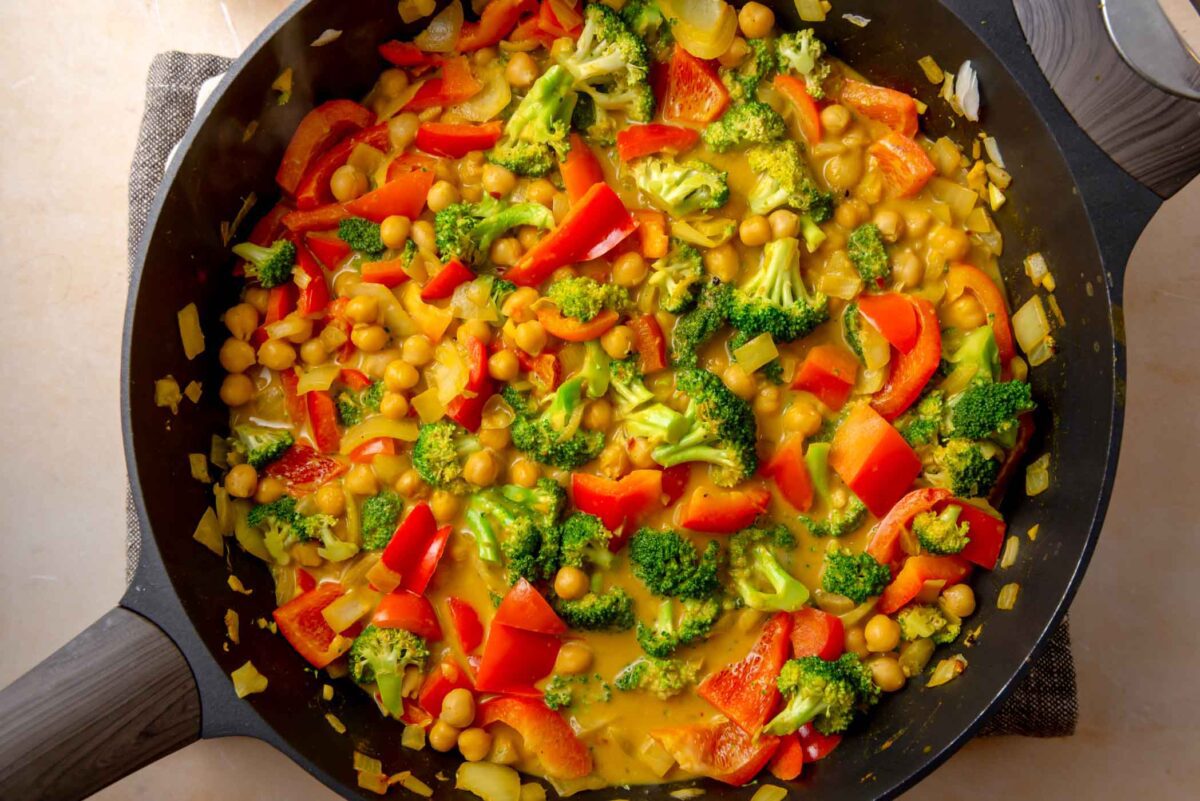
- Pour in the coconut milk, soy sauce and coconut sugar (and broth if using), stirring to combine. Add the chickpeas, broccoli and bell peppers, then simmer for 7 to 8 minutes, or until the vegetables are tender-crisp.
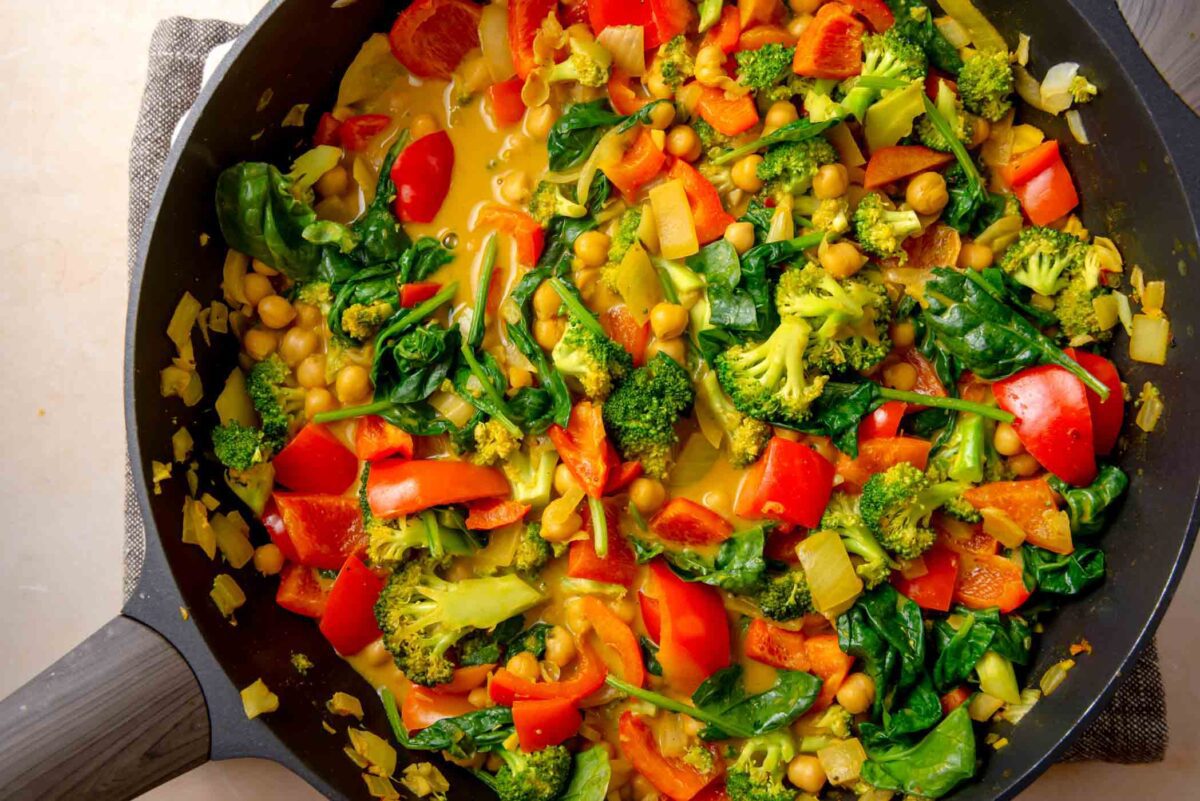
- Remove from the heat and stir in the spinach, lime juice and fresh cilantro until the spinach wilts. Taste and adjust with salt, more lime juice or another pinch of sugar, if needed.
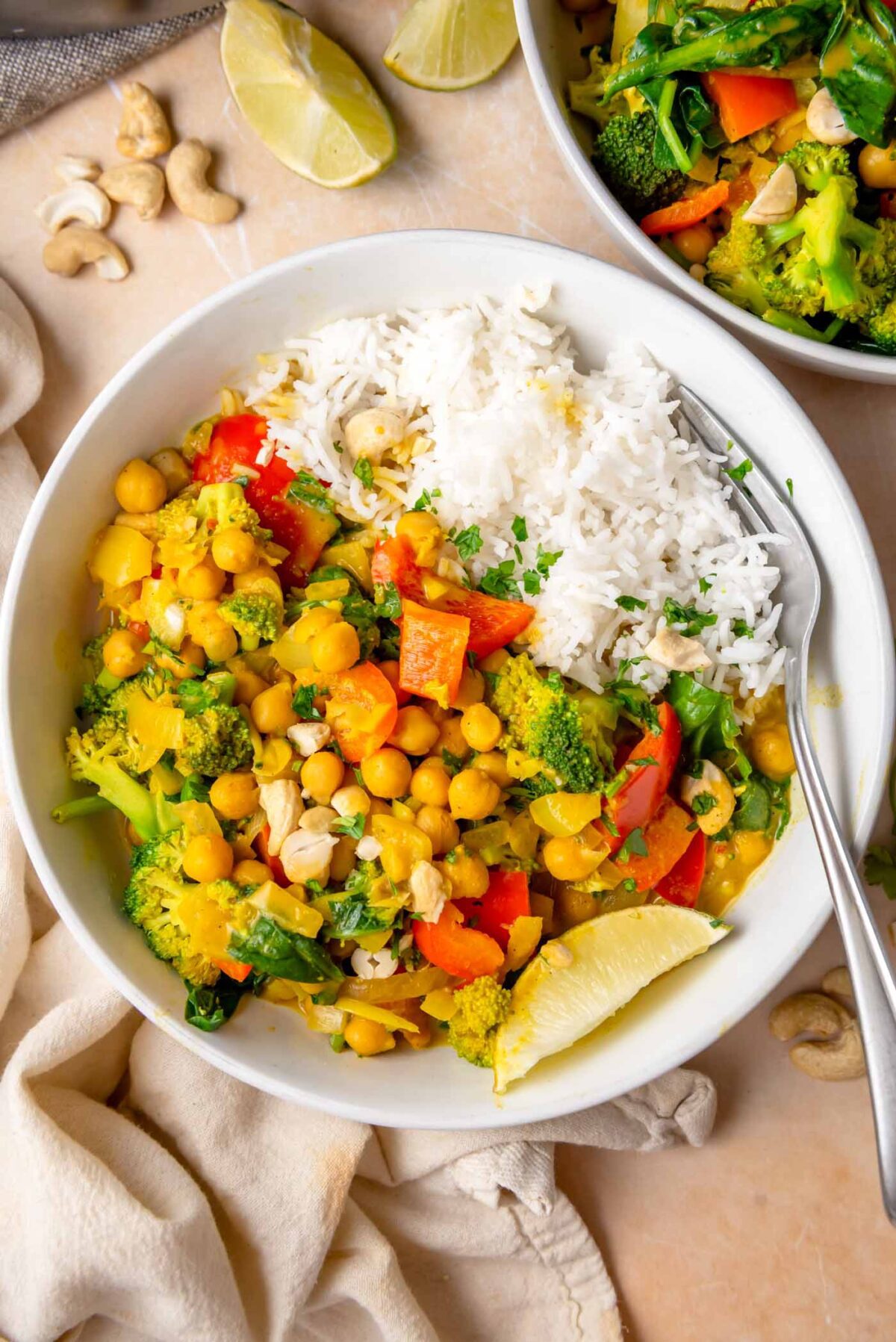
- Serve over steamed rice and garnish with extra cilantro, lime wedges and chopped roasted cashews or peanuts, if desired.
Expert Tips
- Toast the spices and tomato paste. This is the most important step for flavour. Cooking the curry powder, spices and tomato paste in the pan for a minute or two before adding liquid deepens and rounds out the whole dish. Don’t rush it, but watch closely so nothing burns, and add a splash of water if it starts to stick.
- Prep everything before you start. This comes together quickly once the pan is hot, so have your onion, garlic, ginger and vegetables chopped and your spices measured before you turn on the heat. It makes the whole process smoother.
- Cut vegetables into even, bite-sized pieces. Uniform pieces cook at the same rate and make it easier to eat.
- Don’t overcook the vegetables. Simmer just until they’re tender-crisp and still brightly coloured. They’ll continue to soften a little off the heat so better to cook al dente as overcooking dulls both the colour and the texture.
- Taste and adjust. Curry powders and coconut milk vary by brand, so taste at the end and balance as needed. A little more salt rounds it out, extra lime brightens it, and a small pinch of sugar balances acidity or sharpness.
- Control the consistency with liquid. For a thicker, clingy curry, use full-fat coconut milk on its own. For a saucier curry to spoon over rice, add ½ cup of vegetable broth with the coconut milk. I prefer a little extra sauce, so I like to add the broth.
Recipe FAQs
As written, it’s mild and family-friendly. The heat comes only from the optional ¼ teaspoon of red pepper flakes, and most curry powders are mild. To make it spicier, increase the red pepper flakes, add a diced fresh chili or a spoonful of chili paste with the spices, or finish with a drizzle of sriracha. To keep it very mild, leave the flakes out entirely.
A standard mild yellow curry powder is all you need. Blends vary quite a bit from brand to brand, so taste as you go and adjust the amount to your liking. If yours is on the mild side, you can bump it up to 2½ tablespoons for a stronger flavour.
Coconut milk creates the creamy base, so it’s hard to replace exactly. For a lighter version, use light coconut milk. In a pinch, an unsweetened plant-based cream or a cup of plant milk simmered with a spoonful of peanut butter will give you some creaminess, though the sauce won’t taste quite the same.
For a thicker, clingier curry, use the full-fat coconut milk on its own and simmer a little longer. For a saucier curry to spoon over rice, add ½ cup of vegetable broth or water with the coconut milk. If it ever ends up thicker than you’d like, just stir in a splash more liquid to loosen it.
This curry is very flexible. Aim for about 6 to 7 cups of vegetables total. Broccoli, cauliflower, bell peppers, zucchini, green beans, carrots, snow peas, mushrooms, spinach, kale and frozen peas all work well. Add harder vegetables like carrots and cauliflower earlier so everything finishes at the same time, and stir leafy greens in at the very end.
It can be. Use gluten-free tamari in place of the soy sauce and check that your curry powder and other seasonings are certified gluten-free. Everything else in the recipe is naturally gluten-free.
Yes. Simply cook the onion in a splash of water or vegetable broth instead of oil, adding a little more as needed to prevent sticking. The rest of the recipe stays the same.
It’s great for meal prep. The flavour actually deepens overnight, so it’s a good one to make a day ahead. Store it on its own or portioned over rice for easy grab-and-go lunches.
Store leftovers in an airtight container in the fridge for up to 4 days. Reheat gently on the stovetop or in the microwave, adding a splash of water if the sauce has thickened. It can be frozen for up to 2 months, though the vegetables will soften after thawing, so it’s best enjoyed fresh or from the fridge within a few days.
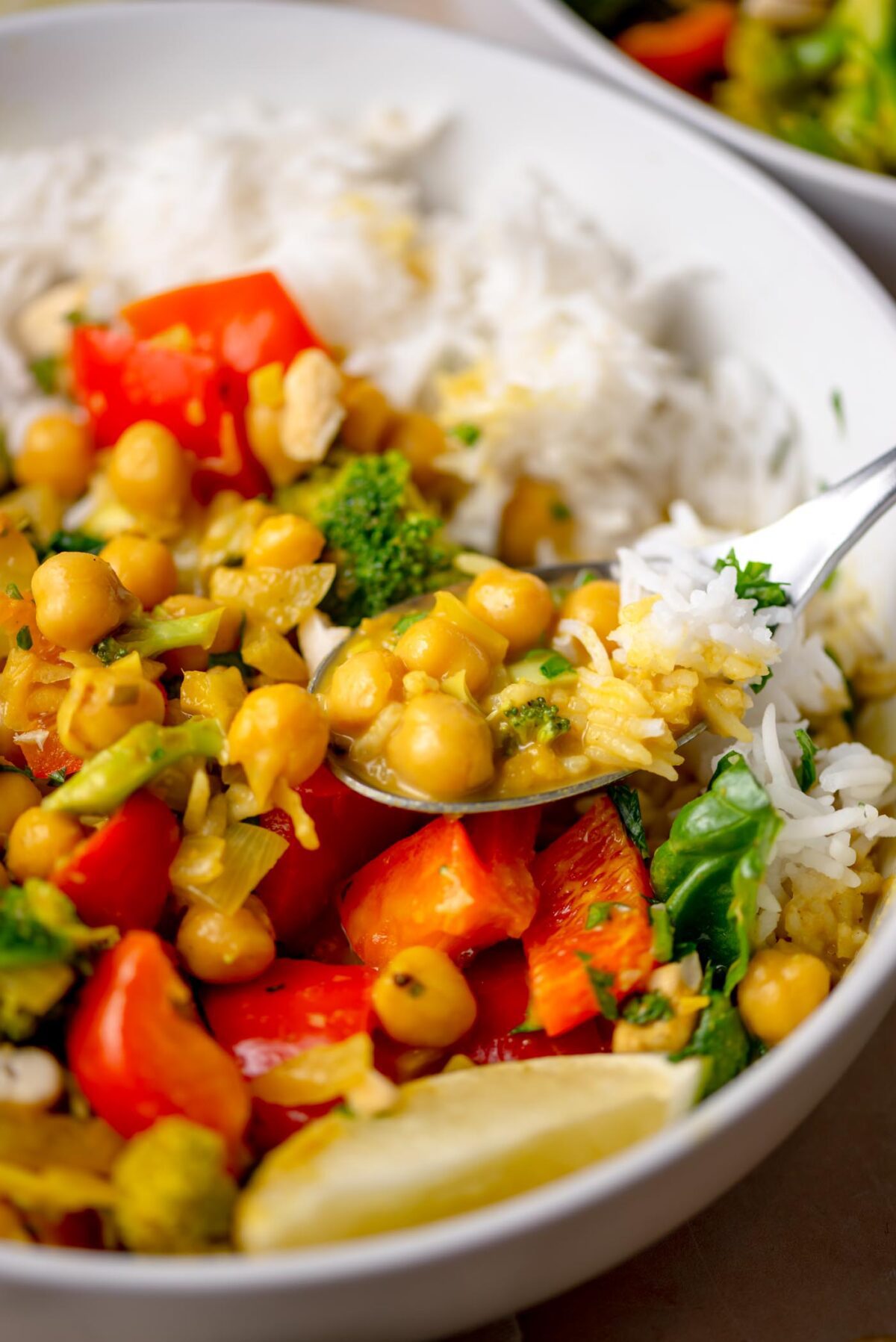
It’s best over fluffy white or brown rice to soak up the sauce. It’s also good with quinoa, naan or flatbread, or cauliflower rice for a lighter option. Finish with lime wedges, extra cilantro and a sprinkle of roasted peanuts or cashews for crunch.
How to Store
- Store leftover curry in an airtight container in the refrigerator for up to 4 days.
- Reheat gently on the stovetop or in the microwave, adding a splash of water if the sauce has thickened.
- This curry can be frozen for up to 2 months, though the vegetables will soften after thawing. For the best texture, enjoy it fresh or within 4 days from the refrigerator.
Update (July 2026): This recipe was originally published in December 2018 and has been updated with a richer, more flavourful recipe, new photos and updated cooking tips. The new version includes toasted spices and tomato paste for added depth, plus fresh ginger, spinach and lime juice for extra flavour and freshness.
If you make this recipe, please consider leaving a comment and a ⭐⭐⭐⭐⭐ rating in the comment section below. It helps others who are thinking of making the recipe, and I love to hear from you. Thanks for trying my recipes! – Deryn
Vegetable Chickpea Curry
Ingredients
- 2 tsp coconut oil or olive oil
- 1 medium white onion, diced (about 2 cups)
- 3 cloves garlic, minced
- 1 tbsp fresh ginger, minced
- 2 tbsp curry powder
- 1 tsp ground cumin
- 1/2 tsp ground turmeric
- 1/2 tsp black pepper
- 1/4 tsp red pepper flakes, optional
- 1 tbsp tomato paste
- 1 can full-fat or light coconut milk, 14 oz
- 1 tbsp soy sauce or gluten-free tamari
- 1 tsp coconut sugar, brown sugar or maple syrup
- 1/2 cup vegetable broth, optional*
- 1 can chickpeas, 19 oz, drained and rinsed (about 2½ cups)
- 4 cups chopped broccoli, about 300 g
- 2 red bell peppers, chopped
- 2-3 cups fresh baby spinach
- 2 tbsp fresh lime juice
- 1/4 cup chopped fresh cilantro, plus more for serving
- Salt, to taste
- For serving: cooked white or brown rice, lime wedges, chopped cilantro, roasted peanuts or cashews
Instructions
- Cook the aromatics: Heat the oil in a large skillet over medium heat. Add the onion and a pinch of salt and cook for 4 to 5 minutes, until softened. Stir in the garlic and ginger and cook for about 1 minute, stirring often.
- Toast the spices: Add the curry powder, cumin, turmeric, black pepper, red pepper flakes (if using) and tomato paste. Cook for 1 to 2 minutes, stirring constantly, until fragrant and slightly darkened.
- Build the sauce: Pour in the coconut milk, soy sauce, sugar and broth (if using). Stir well, scraping up any browned bits from the bottom of the pan.
- Simmer: Stir in the chickpeas, broccoli and bell peppers. Simmer for 7 to 8 minutes, or until the broccoli is tender and the peppers are softened but still slightly crisp.
- Finish: Remove from the heat and stir in the spinach, lime juice and chopped cilantro. Stir until the spinach wilts. Taste and season with salt as needed.
- Serve: Spoon over cooked rice and garnish with additional cilantro, lime wedges and roasted peanuts or cashews, if desired.
Notes
Nutrition
Originally published on December 11, 2018.









So tasty! This is true fast food! I usually have these ingredients on hand and can make this quicker than calling for take out.
Thanks Lisa! Glad you enjoyed it.
This was delicious and I will be making this again!
Delicious and so so so easy! My crew made this and I really enjoyed how easy it was. And it MADE A TON, especially with your suggestion to serve it over Quinoa (my first attempt at quinoa)
Thank you for what you do!
I’m 13 and trying to go vegan and this is amazing!!!
So glad you enjoyed it!